Acrylic vs PET: Differences Between Two High-Gloss Finishes
Detailed comparison between acrylic and PET facades. Gloss, price, durability, and which suits your project.
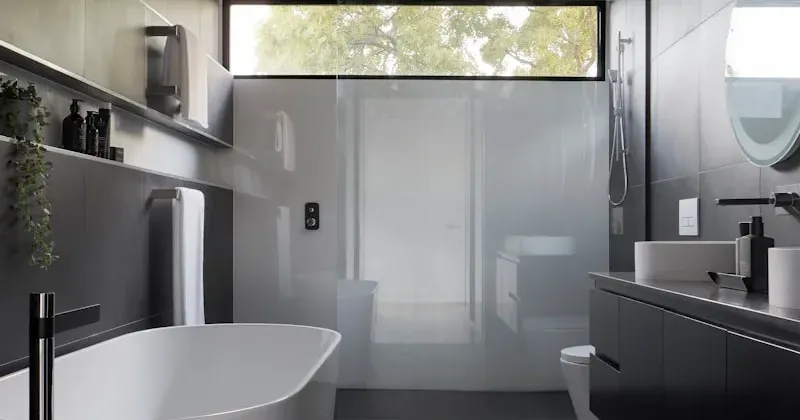
Acrylic vs PET: Differences Between Two High-Gloss Finishes
High-gloss facades are synonymous with modern, luxurious kitchens. The two materials dominating this segment are PET and acrylic. Both offer impressive mirror-like finishes, but have significant differences affecting your purchase decision.
What Each Material Is
PET (Polyethylene Terephthalate): A 0.4-0.5 mm thick plastic sheet bonded to MDF via heat and pressure in a membrane press. The same polymer as plastic bottles but in rigid glossy sheet form.
Acrylic (PMMA - Polymethyl Methacrylate): A 1.0-1.2 mm thick sheet bonded to MDF with special adhesives. Essentially Plexiglass — a material with optical properties superior to conventional plastic.
The Key Difference: Gloss Depth
The most evident difference is gloss quality:
PET: highly reflective surface gloss (85-90 gloss units). Reflection is sharp but flat, like a conventional mirror.
Acrylic: gloss with three-dimensional depth (90-95 gloss units). Reflection has a depth sensation, like looking through crystalline water. This effect comes from greater thickness and superior optical properties of PMMA.
In person, the difference is clearly noticeable: acrylic has a richer, deeper gloss than PET.
Complete Comparison
When to Choose Each
Choose PET if: tight budget but want high gloss, doing a full kitchen where total cost matters, specific color only available in PET, prioritizing functionality over maximum aesthetic quality.
Choose Acrylic if: seeking maximum gloss depth, premium kitchen where every detail counts, doing few modules where extra investment is justified, wanting to visually impress.
The Middle Option: Premium PET
Some manufacturers offer thicker PET sheets (0.7-0.8 mm) with enhanced gloss treatment. These premium versions approach acrylic's gloss at intermediate pricing.
Design Considerations
With dark colors: both show every dust particle. Acrylic tends to slightly better disguise marks but both require frequent cleaning.
With light colors: in whites and creams, the gloss difference between PET and acrylic is less noticeable. If your kitchen is white high-gloss, PET gives excellent results without the acrylic premium.
Identical Maintenance
Both share the same cleaning regime: damp microfiber cloth daily, neutral detergent for grease, never abrasive sponges, avoid acetone and strong solvents, dry immediately to prevent water marks.
Conclusion
The PET vs acrylic decision comes down to budget vs maximum visual quality. If you can afford the difference and value gloss depth, acrylic delivers an impressive result. If you want high gloss with good value, PET is an excellent choice satisfying the vast majority of users. Both are far superior to glossy lacquer in durability and consistency.