Urban Industrial Kitchen: How to Achieve the Style with Facades
Industrial style in the kitchen: materials, colors, and facades for an authentic urban look without losing functionality.
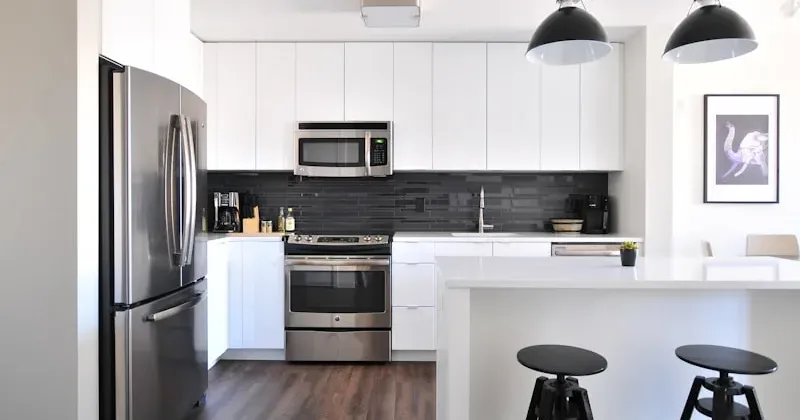
Urban Industrial Kitchen: How to Achieve the Style with Facades
Industrial style was born in New York lofts in the 1970s and has established itself as one of the most enduring interior design trends. In the kitchen, it combines the rawness of exposed materials with professional functionality, creating spaces with character that tell a story.
Key Elements of Industrial Style
For a kitchen to read as industrial, you need at least three of these elements:
- Exposed materials: brick, concrete, visible metal
- Dark or neutral palette: blacks, greys, natural browns
- Industrial metals: black iron, stainless steel, oxidized copper
- Factory-type lighting: metallic pendants, articulated arms
- Raw textures: unpolished surfaces, reclaimed wood
- Visible functional elements: open shelving, hooks, rails
Facades for Industrial Style
Black or Grey Phenolic
The quintessential industrial facade material. Phenolic panels are extremely resistant to moisture, heat, and impact. Their matte textured surface is perfect for the style.
Phenolic advantages:
- Superior resistance to any other facade material
- Unaffected by water or steam
- Antibacterial surface
- Available in black, dark grey, anthracite
Cement-Look Textured Melamine
Reproduces the appearance of polished concrete at a fraction of the cost. Latest generation textured melamines convincingly imitate cement with tone variations and surface texture.
Reclaimed or Vintage-Style Wood
Facades with aged wood appearance, visible knots, and rustic finish. Can be real demolition wood or melamine imitating that finish.
Stainless Steel
Full stainless steel facades (as in professional kitchens) or steel sections combined with other materials. The most professional and authentic industrial look.
Perforated Metal
Metal panels with perforations that let you glimpse the interior. Used mainly in upper cabinets to add texture and an authentic factory touch.
Industrial Colors
The industrial palette is restrained but powerful:
- Matte black: the dominant color of the style
- Concrete grey: neutral and versatile
- Rust brown: evokes aged metal
- Dirty white/cream: for contrast without breaking the aesthetic
- Copper/dark bronze: as a warm accent
Classic combination: matte black facades + concrete countertop + exposed brick backsplash + black iron hardware.
Industrial Countertops
Countertops reinforce or weaken the style:
Authentic options:
- Polished concrete: the most industrial material, but requires sealing and maintenance
- Stainless steel: professional and functional, shows scratches as marks of use
- Thick solid wood: butcher block 4-6 cm thick
Practical options maintaining the look:
- Quartz imitating concrete
- Large-format porcelain tiles with cement effect
- Dekton in grey tones with texture
Open Shelving vs Closed Cabinets
Industrial style favors open shelving:
Iron and wood shelving:
- Wood shelves on black iron brackets
- Industrial piping as support
- Rails with hooks for hanging pots and utensils
Practical balance:
Combine open shelves (for decorative items and daily use) with closed cabinets (for what you don't want to display). Ideal ratio: 30% open, 70% closed.
Hardware and Details
Industrial hardware is rough and functional:
- Thick bar handles in black iron: the quintessential industrial hardware
- Pipe-style handles: literally look like plumbing pipe sections
- Exposed piano hinges: long visible hinges crossing the entire door
- Warehouse-style bolts and latches: for large cabinet doors
Industrial Lighting
Lighting is as important as facades:
- Metal shade pendants: industrial bell type in black, bronze, or copper
- Articulated workshop arms: lamps that move and adjust
- Exposed LED tubes: without diffuser, simulating vintage fluorescent tubes
- Industrial spot rails: directional lighting on visible metal rails
Appliances
To maintain coherence:
Ideal:
- Professional-type stainless steel range hood (large and visible)
- Industrial 6-burner range with double oven
- Stainless steel refrigerator without decorative panel
To avoid:
- Panel-ready appliances (they hide — opposite of the industrial concept)
- White or colored appliances
Industrial Budget
Surprisingly, industrial style can be either economical or expensive:
Budget version:
- Cement-type melamine + iron handles + pine and pipe shelving
- The rough aesthetic forgives imperfections that other styles don't tolerate
Premium version:
- Phenolic + stainless steel + real concrete + imported hardware
- Cost rises significantly due to special materials
Common Mistakes
- Overdoing the roughness: if everything is raw and dark, the kitchen feels like a garage
- Forgetting warmth: without wood or copper, industrial becomes cold and inhospitable
- Mixing with incompatible styles: industrial + Provencal doesn't work
- Not enough lighting: dark materials need plenty of light
- Literally copying a factory: residential industrial is an interpretation, not a replica
Conclusion
The urban industrial kitchen is for those who value character over perfection. Facades in raw materials, dark metals, and authentic textures create spaces with unique personality. The key is finding the balance between rough and warm, between industrial and livable.