Dark Color Facades: Black, Grey, and Kitchen Trends
Everything about dark kitchen facades: when to use them, how to combine them, and which finishes to choose.
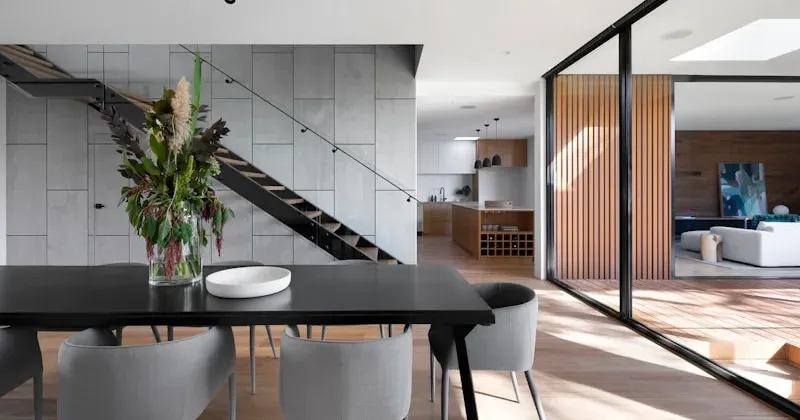
Dark Color Facades: Black, Grey, and Kitchen Trends
Dark colors in kitchen facades have gone from being a rarity to one of the strongest current design trends. Black, graphite grey, anthracite, and midnight blue bring drama, sophistication, and a touch of luxury that light colors cannot replicate.
Why Dark Colors Are Gaining Ground
- Visual impact: a dark kitchen creates a powerful first impression
- Hides wear: fingerprints and marks are less visible than on white (especially in matte)
- Luxury feel: dark tones are associated with premium, high-end environments
- Contrast: combined with light elements, they create visually rich compositions
- Established trend: not a passing fad, it has been growing for years
The Most Popular Dark Colors
Matte Black
The most dramatic. A fully matte black kitchen is a style statement. Works best in large spaces with plenty of natural light.
Graphite Grey
Less extreme than pure black, graphite is more versatile and adaptable. It's the best-selling dark shade because it combines dark sophistication with the practicality of not absorbing as much light.
Anthracite
A very dark grey with subtle blue undertone. Warmer than black and deeper than graphite. Excellent for those who want dark but not black.
Midnight Blue (Petrol Blue)
A dark with its own personality. Adds depth without the seriousness of black. Combines spectacularly with gold and light woods.
Dark Forest Green
The most daring but also the most original option. Dark green with matte facades creates a unique natural and sophisticated effect.
When Dark Colors Work
Large, bright spaces: rule number one. If your kitchen has large windows, high ceilings, or is integrated into a spacious living area, dark colors look spectacular.
Kitchens with islands: the dark island with light perimeter (or vice versa) is a classic combination that always works.
White ceilings: keep the ceiling white or very light to avoid a cave feeling. The contrast between dark facades and white ceiling creates visual height.
When to Avoid Dark Colors
Small kitchens without natural light: in less than 8 m² with limited windows, dark can create visual claustrophobia.
Studio apartments: if the kitchen integrates with the living and sleeping area, a dark block can be visually too heavy.
Enclosed kitchens with low ceilings: without height and light compensation, dark colors shrink the space.
Combination Strategies
The key to using dark without the space feeling heavy:
Two-Thirds Rule
Don't make the entire kitchen dark. The safest formula:
- Dark base cabinets + light upper cabinets
- Or dark base + island with light upper cabinets and walls
This keeps the lower part anchored and grounded while the upper part is light and luminous.
Light Countertop with Dark Facades
A white or light quartz countertop over dark facades creates contrast that illuminates the work area and prevents everything from looking like one block.
Wood + Dark
The warmest combination: dark facades with natural wood details or sections (oak, light wood). Wood breaks the coldness of dark and adds warmth.
Gold or Brass Metals
Gold hardware, brass faucets, and warm metallic details against dark facades create an effortlessly luxurious effect.
Finishes for Dark Facades
Finish is even more important in dark colors than in light ones:
Matte
The most recommended option for dark. Matte absorbs light without reflecting, giving depth to the color and hiding fingerprints. A matte black facade looks sophisticated and elegant.
Textured
Melamine with wood or fabric texture in dark color. Adds tactile and visual dimension. The most practical option as textures hide any marks.
High gloss
Impressive but demanding. A mirror-like glossy black facade is spectacular but shows every fingerprint, dust particle, and micro-scratch. Requires constant cleaning.
Matte phenolic
Resistant material used in industrial-style kitchens. Matte porous surface in black or grey that's virtually indestructible.
Lighting: The Key Factor
With dark facades, lighting isn't optional — it's essential:
- Under-cabinet LED strip: indispensable. Illuminates the countertop and creates a floating effect over the dark base facades
- Interior cabinet lighting: if upper cabinets are dark, internal LED light helps find things
- Pendants over island: besides being functional, they become decorative elements that break the darkness
- Warm light (2700K-3000K): warm light softens dark colors. Cool light makes them more severe
Maintaining Dark Facades
Dark shows dust more than light (especially in gloss). Tips:
- Daily cleaning with dry microfiber cloth to remove dust
- For grease: damp cloth with neutral detergent, dry immediately
- Avoid ammonia products that can leave whitish marks
- For gloss: use glass cleaner specific for high-gloss surfaces
Current Dark Trends
- Black + light wood: the most requested combination currently
- Total anthracite grey with veined white quartz countertop: pure elegance
- Matte black island + white perimeter: the most popular dramatic contrast
- Petrol blue + brass: the most photographed combination of the moment
- Dark cement-textured facades: for the urban industrial style
Conclusion
Dark facades are a bold bet that, well executed, elevates any kitchen to design magazine level. The key is not to overdo it: combine with light elements, invest in good lighting, and choose finishes that match your lifestyle. If in doubt, start by darkening only the island or base cabinets and keep the upper cabinets light. The result will surprise you.