How to Plan Your Kitchen from Scratch: Step-by-Step Guide
The fundamental steps for planning a new kitchen or complete renovation. From measurements to facade and hardware selection.
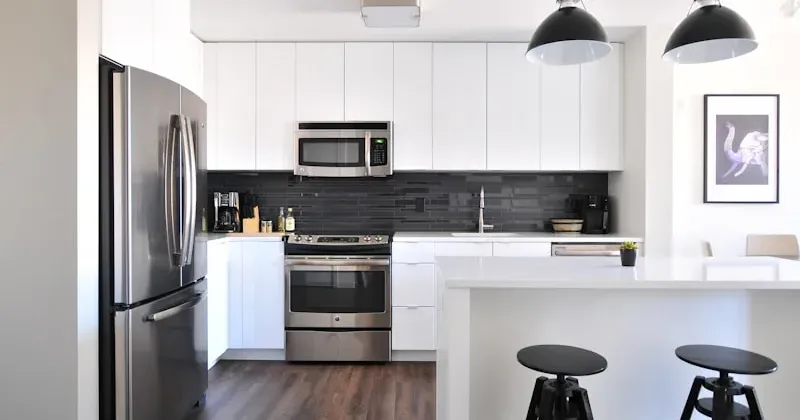
How to Plan Your Kitchen from Scratch
Planning a kitchen properly is the difference between a result you love for years and one that brings regret. This guide takes you step by step through the entire process.
Step 1: Survey the Space
Before dreaming about colors and materials, you need concrete data about your space.
Measure everything:
- Length and width of the room (minimum 3 points per wall)
- Floor-to-ceiling height
- Exact window location (width, height, distance to floor and corners)
- Door position and swing direction
- Hot water, cold water, and drain pipe positions
- Gas connection position
- Electrical outlet locations and panel position
- Columns, beams, or protrusions invading the space
Step 2: Define the Layout
With measurements in hand, choose the best layout:
Linear kitchen (single wall): For narrow spaces up to 2m wide. Minimum 2.40m long.
L-shaped kitchen: Most common in Argentine apartments. Uses two adjacent walls. Minimum 2.40m per side.
U-shaped kitchen: For spaces at least 2.40m wide. Maximum space utilization.
Kitchen with island: Requires at least 3.60m total width. Island minimum 90cm useful depth.
Step 3: The Work Triangle
The work triangle connects three main zones: refrigerator (cold storage), sink (washing), and cooktop/oven (cooking).
Triangle rules:
- Each side should measure between 1.20m and 2.70m
- The sum of all three sides should not exceed 7.80m
- No side should be blocked by furniture or circulation paths
Step 4: Choose the Modules
Standard module widths in Argentina:
- 30cm: spice rack, bottle rack
- 40cm: narrow module, ideal for fillers
- 45cm: versatile module
- 50-60cm: most common, for sink and oven
- 80-90cm: wide module with 2 doors
Standard depths: Base 60cm, wall cabinets 33-35cm, tall columns 60cm.
Step 5: Select Facade Material
This is the most important aesthetic decision. Consider your budget, desired style, willingness to maintain, and desired durability.
Step 6: Choose Hardware
Hardware is the mechanical part of your kitchen. Do not cut corners:
- Hinges: Blum Clip Top with Blumotion minimum
- Drawer slides: full-extension with soft-close
- Opening system: handles (more affordable) or push-to-open (more aesthetic)
Step 7: Plan the Installations
Electrical: Minimum 4-6 outlets above the counter, dedicated circuit for electric oven (20A), outlets for dishwasher, fridge, microwave.
Water and gas: Verify water pressure, drain position relative to sink, certified gas connection.
Final Checklist
- Verified floor plan (measured at least twice)
- Layout validated with carpenter/manufacturer
- Facade material and color chosen with physical sample
- Hardware specified (brand and model)
- Countertop chosen and quoted
- Electrical and plumbing resolved or budgeted
- Appliances defined (dimensions are critical)
- Total budget with 10-15% contingency margin
- Timeline agreed with all trades
Most Common Mistakes
- Not measuring pipes — discovering the drain does not align when cabinets are already built
- Buying appliances afterward — the oven module is 55cm but the oven is 60cm
- Not considering the range hood duct
- Underestimating timelines
- Not getting written quotes
A well-planned kitchen is enjoyed daily for 15-20 years. Invest time in planning — it is free and saves a fortune.